
What if the cream you used this morning is only touching the surface while your skin is asking for deeper support underneath from vitamin rich foods? After 60, many adults notice thinner skin, dull tone, sagging around the cheeks, deeper smile lines, dry texture, or a face that looks more tired than they feel. It can be tempting to blame one moisturizer, one serum, or one product that did not work. But aging skin is not only a surface issue. It is living tissue that depends on nutrition, blood flow, repair signals, antioxidant protection, and daily renewal.
This article is based on the message from the video: Over 60? These 3 Vitamins Rejuvenate Your Skin and Boost Collagen From Within Naturally. The goal is not to promise overnight beauty or a miracle cure. The goal is to explain why Vitamin C, Vitamin E, and Vitamin A matter so much for mature skin, especially when the body has less repair reserve than it had decades earlier.
Watch the full video here: https://www.youtube.com/watch?v=0KogLjmDNBI
vitamin rich foods for stronger skin after 60
The first lesson is simple: older skin needs raw materials, not just surface moisture. Collagen gives skin much of its firm, smooth, resilient structure. After 60, collagen production naturally slows, elastic fibers lose some bounce, and oxidative stress from sunlight, pollution, stress, poor sleep, and normal aging can make the skin’s support system weaker over time.
This is where Vitamin C becomes essential. The body uses Vitamin C during collagen formation, and it also helps protect skin cells from oxidative stress. That does not mean an orange erases wrinkles. It means the body needs a steady supply of supportive nutrients if the skin is going to maintain a healthier structure.
Good sources include kiwi, oranges, strawberries, guava, papaya, tomatoes, bell peppers, broccoli, and leafy greens. The key is rhythm. Eating fruit once and then ignoring colorful produce for a week is not a real strategy. Mature skin responds better to consistency than panic. One Vitamin C food daily can become a quiet skin-support habit.
This is why vitamin rich foods should be seen as part of a daily routine, not a weekend rescue plan. A simple breakfast with sliced kiwi, eggs, and spinach can support collagen and renewal. A lunch with tomatoes, broccoli, and olive oil can support both antioxidant defense and barrier health. A dinner with sweet potato and greens can help the skin’s renewal system receive regular support.
how to reduce wrinkles by supporting collagen from within
Many people search for wrinkle reduction because they want a fast surface answer. But after 60, deeper lines often reflect a slower internal process. The skin has had years of sun exposure, repeated facial movement, lower hydration reserve, slower cell turnover, and less collagen support. Creams may soften the surface, but they cannot replace nutrition the body needs underneath.
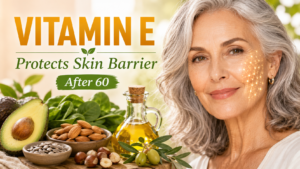
Wrinkles become more visible when collagen scaffolding weakens, the barrier dries out, and skin renewal slows. That is why Vitamin C, Vitamin E, and Vitamin A work best as a system. Vitamin C supports collagen. Vitamin E helps defend cell membranes and the moisture barrier. Vitamin A supports normal renewal and healthier-looking texture.
A practical way to think about how to reduce wrinkles is to ask, “Which skin system am I failing to support?” If the face looks more sagging or fragile, begin with collagen support. If the skin feels dry and rough, look at the barrier. If the face looks dull and uneven, focus on renewal. This does not replace sunscreen, sleep, hydration, or gentle skincare. It makes those habits work from a stronger foundation.
dr. thomas bennett explains why skin needs more than creams
The doctor-led message is calm but important: mature skin does not suddenly become weak overnight. It changes slowly, silently, and biologically. Collagen support declines. The barrier becomes less forgiving. Cell renewal becomes less efficient. Over time, the mirror begins to show the story that started beneath the surface.
This is why many adults over 60 feel frustrated. They buy stronger creams, apply thicker oils, scrub more often, or keep switching products. The skin may feel coated for one hour, but still look dry, tired, or dull by evening. That does not always mean the person failed. It may mean the deeper supply line is missing.
The better question is not, “Which cream will fix me?” The better question is, “What does my skin need to function better from within?” According to the video’s message, dr. thomas bennett encourages viewers to stop chasing one miracle ingredient and start respecting the three lanes of mature skin: collagen structure, barrier protection, and cell renewal.
This approach is especially important for people taking medications or managing health conditions. High-dose supplements are not automatically safer or stronger. Food-first support is usually the wiser foundation, while supplements should be discussed with a qualified healthcare professional when needed. That is one reason the advice remains practical rather than extreme.
best foods for seniors that support collagen, protection, and renewal
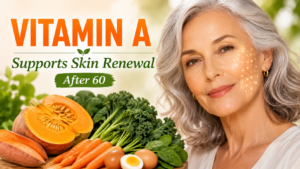
The most useful skin-supporting foods are not exotic. They are usually simple foods that show up repeatedly on the plate. For Vitamin C, choose citrus, kiwi, strawberries, guava, papaya, tomatoes, bell peppers, and broccoli. For Vitamin E, choose almonds, sunflower seeds, avocado, olive oil, hazelnuts, pistachios, and other seeds. For Vitamin A support, choose carrots, sweet potatoes, pumpkin, spinach, kale, and other dark leafy greens.
Vitamin E deserves special attention because many older adults become afraid of all fats. But healthy fats help support the moisture barrier and make meals more satisfying. A small handful of almonds, a spoon of olive oil over vegetables, or avocado with a meal can support both nutrition and consistency. The goal is not a greasy diet. The goal is careful servings of useful fats.
Vitamin A also needs balance. Food sources such as colorful vegetables and leafy greens can support renewal in a safer, steadier way for most people. High-dose Vitamin A supplements, especially without medical guidance, can create risk for older adults, particularly those with liver concerns, medication interactions, or complex medical histories.
For real life, the best foods for seniors should be easy to attach to meals already happening. Add spinach to eggs. Add bell peppers to soup. Add strawberries to breakfast. Add olive oil to vegetables. Add sweet potato to dinner. Small changes repeated often can become more powerful than an expensive product used aggressively for a short time.
health for people over 60 starts with consistent skin nutrition
Skin care after 60 is not only about vanity. It is part of whole-body wellness because the skin is a protective organ. It helps defend the body, hold moisture, respond to irritation, and signal internal changes. When skin becomes fragile, dry, easily bruised, or slow to recover, it deserves thoughtful support.
The strongest lesson is consistency. Many people hear that Vitamin C is good, eat oranges for three days, and stop. They buy almonds once and forget them in the pantry. They add carrots for one week, then return to a beige plate with little color. Then they say nutrition did nothing. But the skin was never given a real chance.
A simple 10-second habit can help. Before one meal each day, look for three colors or three support lanes: one bright Vitamin C food, one healthy fat, and one deep orange or green vegetable. If the plate is beige every day, the skin’s support systems may be underfed. This visual habit is easy to remember and practical for daily life.
This is where vitamin rich foods become more than a nutrition phrase. They become a reminder that collagen, protection, and renewal require steady supply. The body does not respond best to panic routines. It responds to repeated support from food, hydration, sleep, sunscreen, gentle cleansing, and patience.
For health for people over 60, the safer path is not extreme supplements or harsh skincare. It is a calm foundation: colorful meals, healthy fats, enough protein, sun protection, regular sleep, and medical guidance when supplements or medications are involved. Mature skin is not too old to care for. It simply needs a smarter strategy.
Final takeaway
After 60, healthy-looking skin begins from within. Vitamin C supports collagen and antioxidant defense. Vitamin E supports cell protection and the moisture barrier. Vitamin A supports renewal and smoother-looking texture. None of these vitamins should be treated like magic. They are part of a steady system.
Use vitamin rich foods daily, not randomly. Keep skincare gentle. Keep using sunscreen. Drink water. Sleep well. Discuss supplements with your healthcare provider if you take medications or have kidney disease, liver disease, cancer treatment history, or other medical concerns. And remember the central lesson from dr. thomas bennett: stronger-looking mature skin is not built by one product alone. It is supported by daily choices that feed the body from the inside out.
If you are wondering how to reduce wrinkles, start with the foundation before chasing another jar. If you want best foods for seniors, choose the foods that support collagen, barrier defense, and renewal. If your goal is better health for people over 60, let your plate become part of your skin care routine.
#seniorhealthytips #vitaminrichfoods #makeupformatureskin #healthyskinhabits #vitaminerichfoods #benefitsofvitamina #vitamincsources #howtoreducewrinkles #drthomasbennett #bestfoodsforseniors #healthforpeopleover60 #drthomasbennettseniorhealth


